Scheduled Chimney Checks to Protect Your Property
Regular chimney inspections are essential for maintaining the safety and functionality of wood-burning fireplaces and chimneys. Identifying potential issues early can prevent costly repairs and reduce safety hazards.
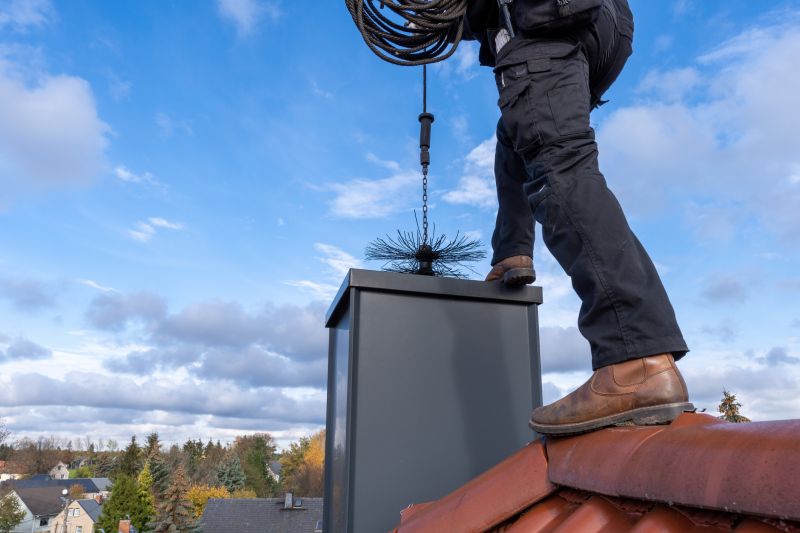
A chimney cap prevents debris, animals, and water from entering the chimney, helping to preserve its integrity.
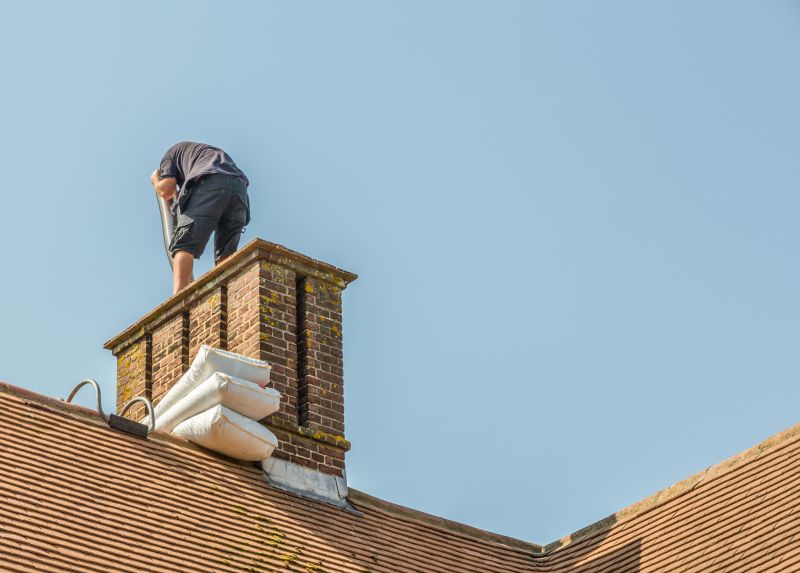
The liner protects the chimney structure from heat and corrosion, ensuring safe venting of smoke and gases.
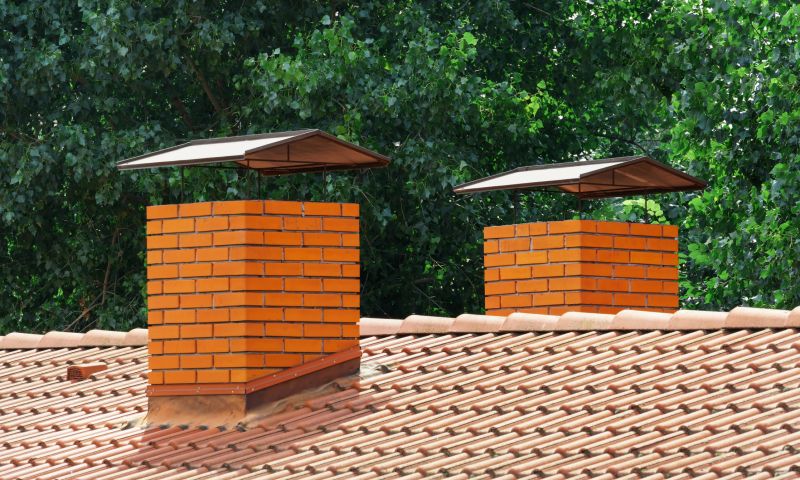
The damper controls airflow and prevents heat loss when the fireplace is not in use.
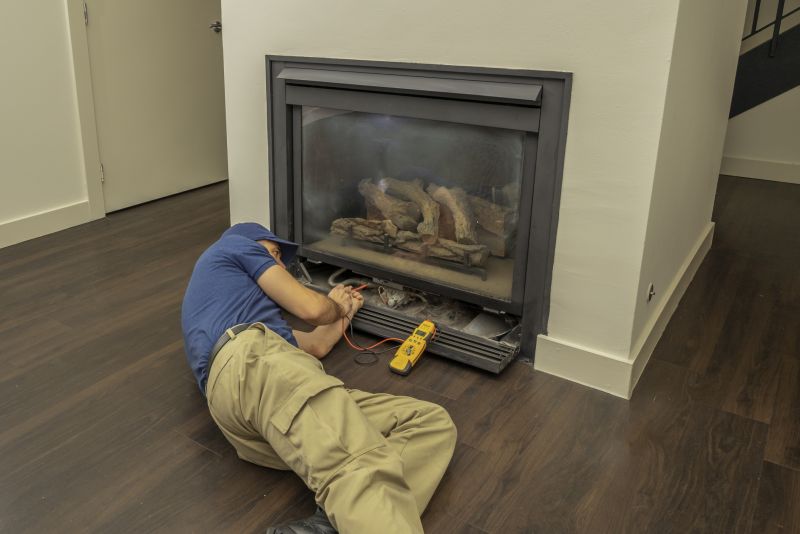
The hearth provides a safe area around the fireplace and supports proper combustion.
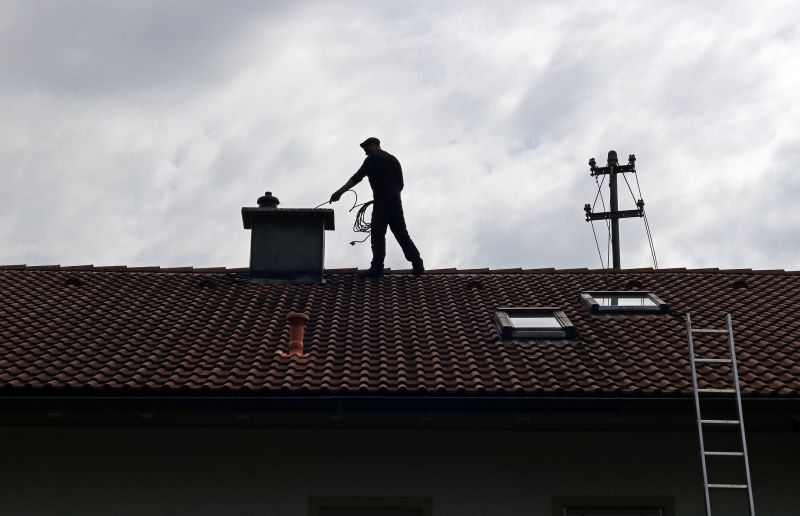
The flue channels smoke and gases out of the chimney, critical for safe operation.
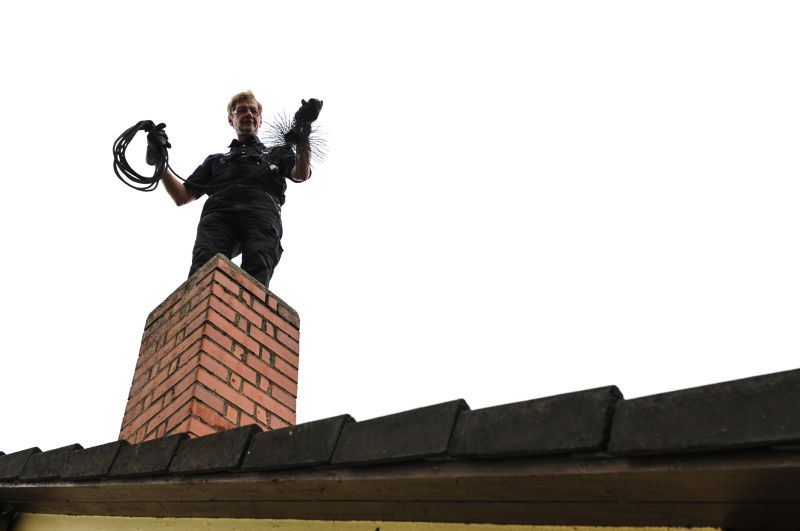
Properly maintained brick masonry ensures the chimney remains structurally sound.
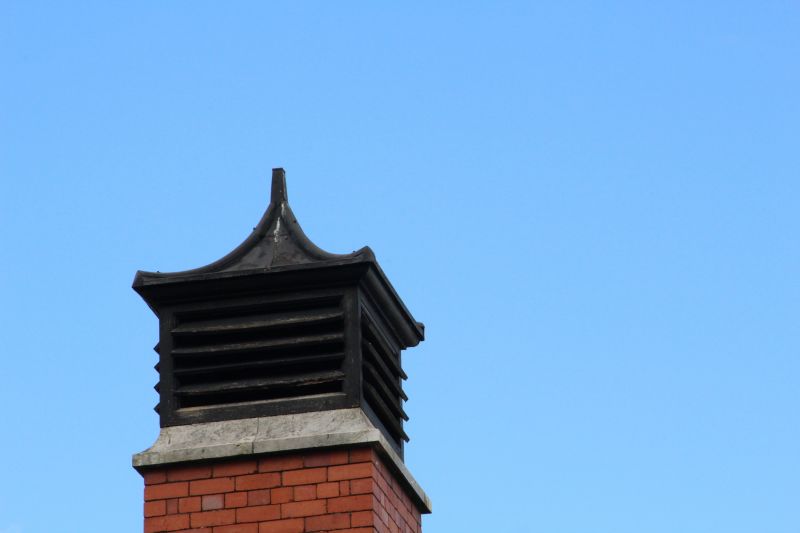
The crown seals the top of the chimney, preventing water infiltration and damage.
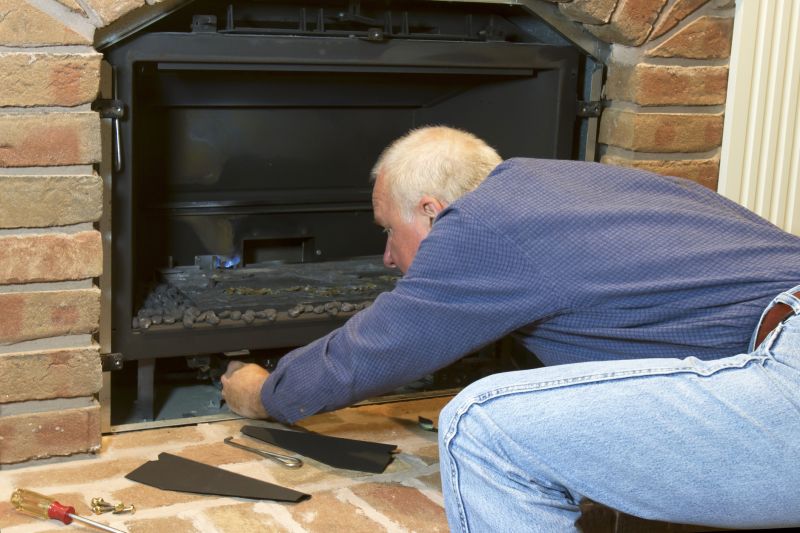
A fireplace insert enhances efficiency and safety of wood-burning fireplaces.
Inspecting the chimney and fireplace ensures all components function correctly and safely. Neglecting inspections can lead to dangerous blockages, creosote buildup, and structural deterioration, increasing the risk of chimney fires and carbon monoxide intrusion.
Routine inspections help detect issues such as cracks, blockages, or damaged components before they lead to safety hazards.
Problems include creosote buildup, cracked liners, damaged caps, and deteriorated masonry, all of which can compromise safety.
Key parts include the chimney cap, liner, damper, flue, crown, and masonry, each vital for safe operation.
Malfunctions can cause smoke and toxic gases to enter living spaces, increase fire risk, and lead to costly repairs.
Ensuring the proper functioning of a chimney and fireplace is essential for safe and efficient operation. Regular inspections by professionals can identify and address issues before they escalate, safeguarding property and inhabitants.
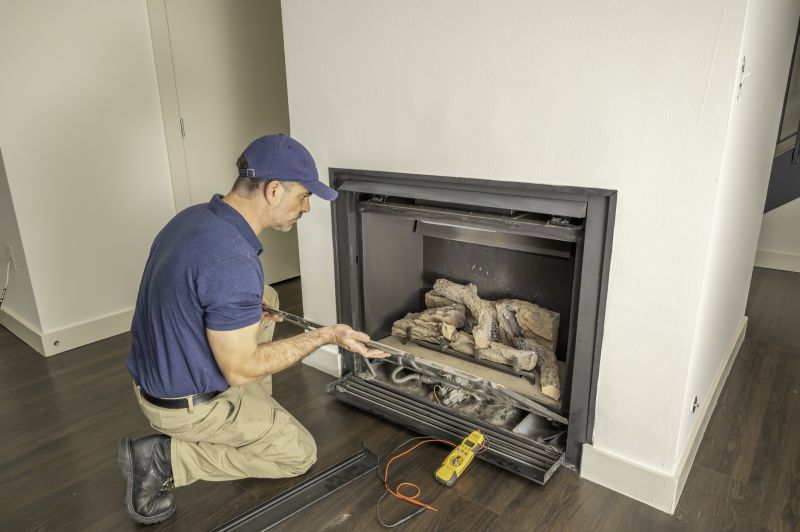
A well-maintained fireplace and chimney system.
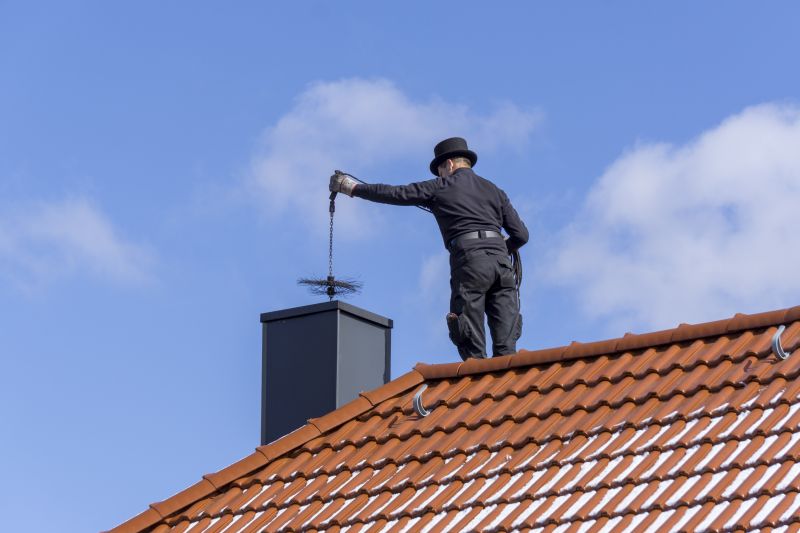
Technicians assessing chimney components for safety and integrity.
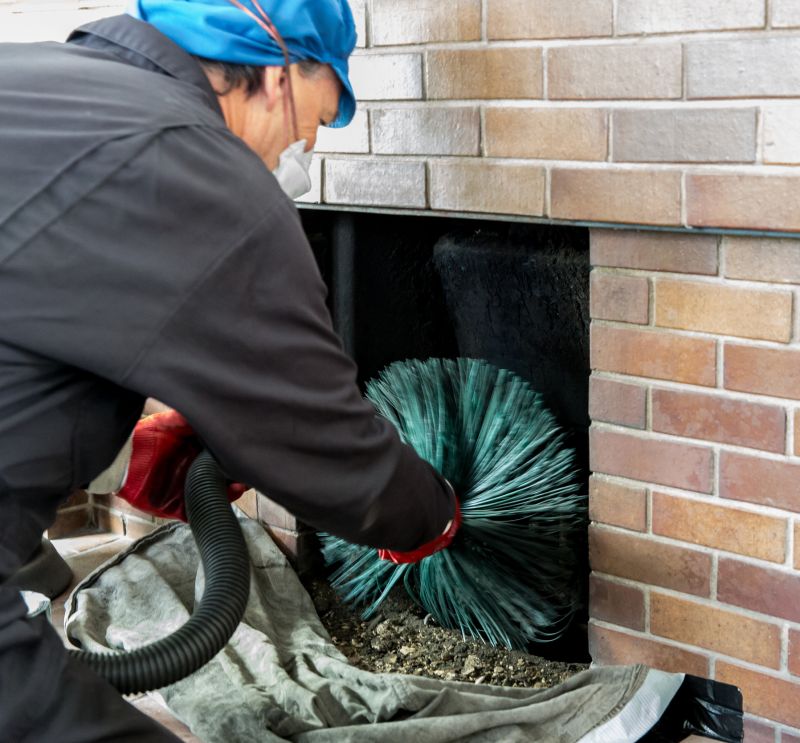
Proper damper positioning for efficient fireplace operation.
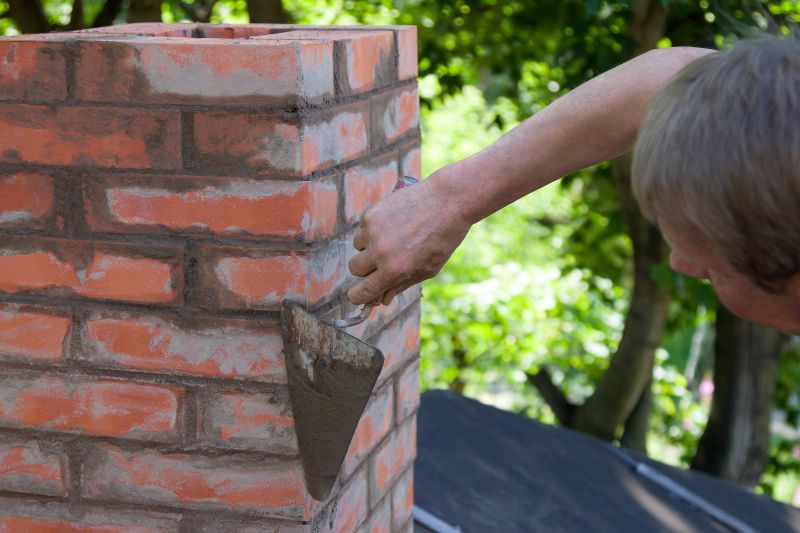
Repairing damaged brick and masonry structures.
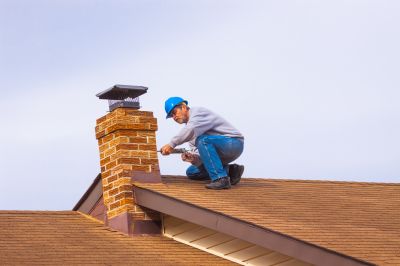
Accumulation that can lead to chimney fires if not cleaned.
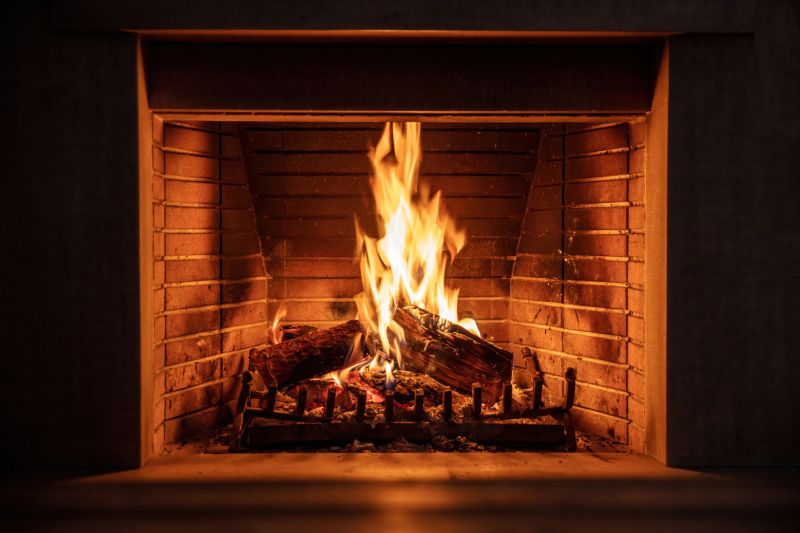
A traditional wood-burning setup ready for inspection.
For a comprehensive assessment of a chimney and fireplace, contacting a professional for an inspection is recommended. Using the contact form can facilitate obtaining a detailed quote tailored to specific needs.